Introduction
If you’re still using traditional plaster models in your dental practice, you’re not alone. For decades, stone casts have been the gold standard in dentistry. But the industry is changing — fast.
Dental 3D printing is no longer “the future.” It’s here, and it’s transforming how dental labs and clinics work every single day.
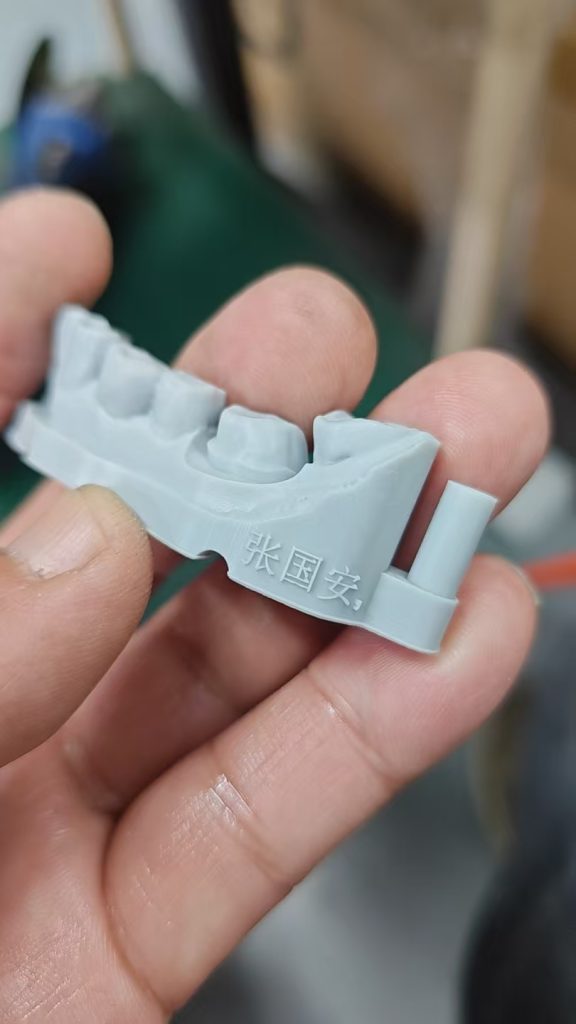
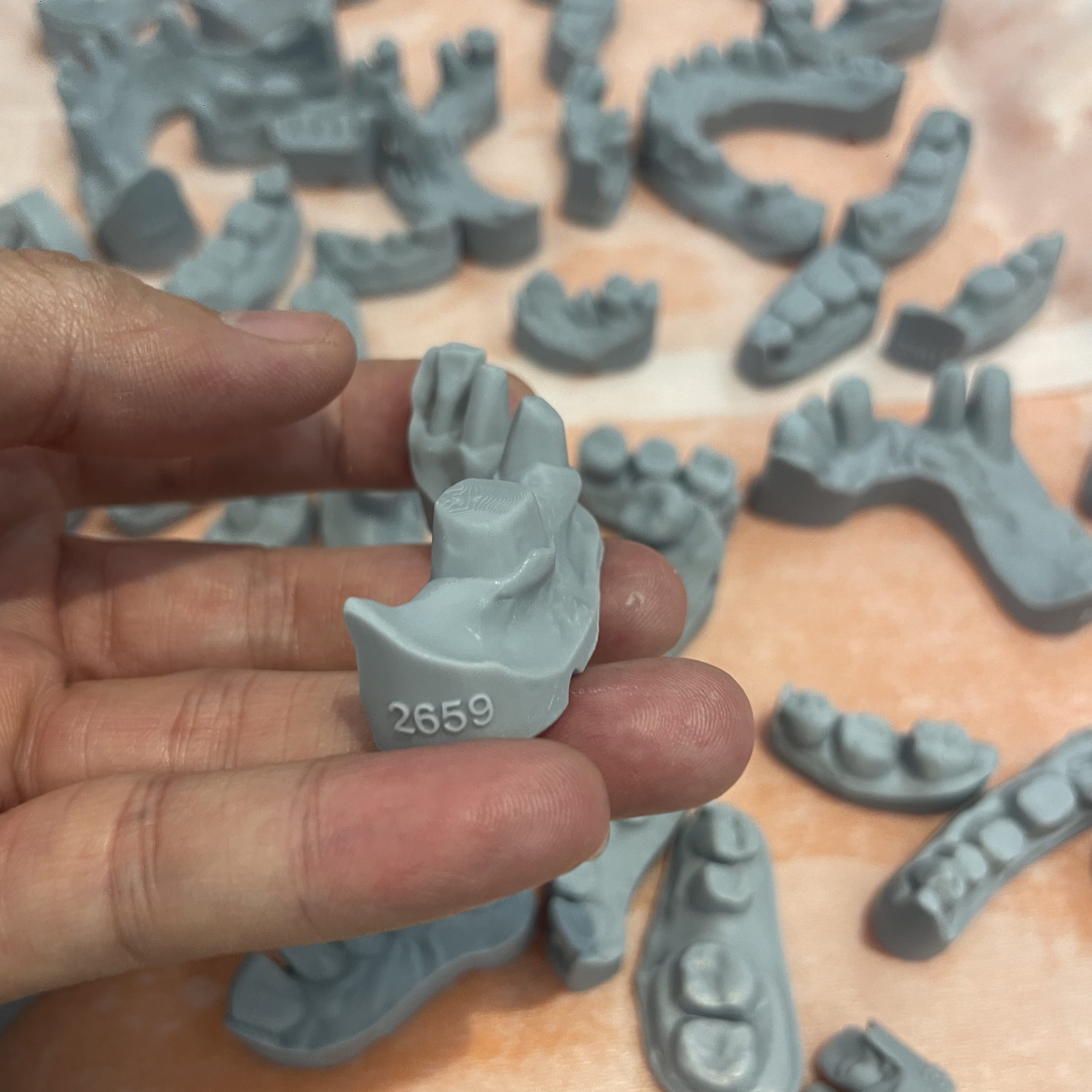
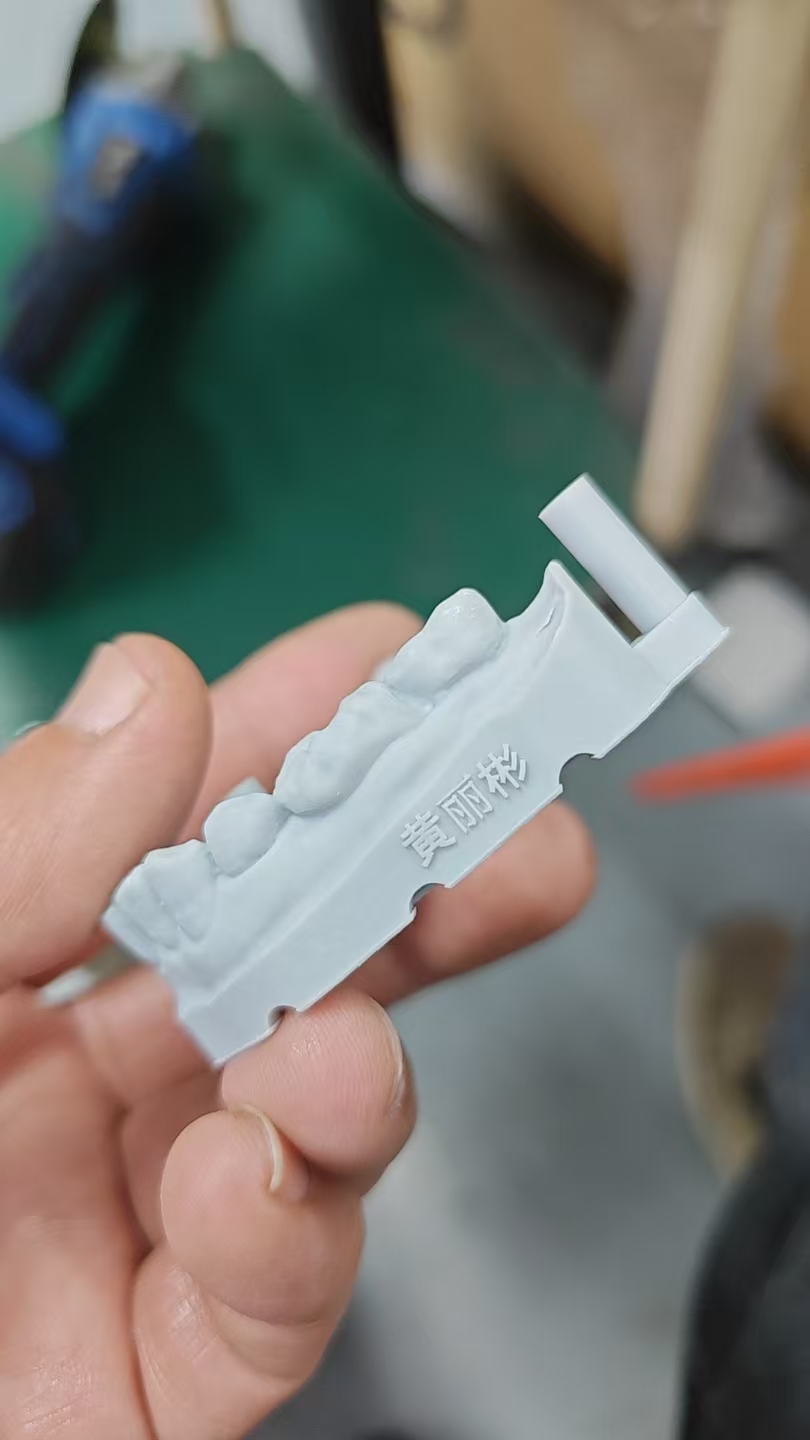
In this article, we’ll explore 5 key benefits of 3D printed dental models compared to traditional methods — backed by real data, real workflows, and real results from dental professionals who’ve made the switch.
Whether you’re running a small clinic or a large dental lab, understanding these advantages will help you make an informed decision about your digital transformation.
Let’s dive in.
Benefit 1: Speed — From Days to Hours
Traditional Method: 24-48 Hours
The conventional workflow for creating dental models involves multiple time-consuming steps:
- Impression taking (15-30 minutes)
- Shipping to lab (1-2 days)
- Model pouring (30 minutes + setting time)
- Trimming and finishing (20-30 minutes)
- Shipping back to clinic (1-2 days)
Total turnaround: 2-5 days minimum
3D Printed Method: 2-4 Hours
With in-house 3D printing, the workflow becomes dramatically faster:
- Intraoral scan (5-10 minutes)
- File transfer (instant via WiFi)
- Slicing (2-5 minutes)
- Printing (20-60 minutes for 5-10 models)
- Post-processing (10-15 minutes)
Total turnaround: 2-4 hours
Real-World Impact
Case Study: A dental lab in Cape Town switched to 3D printing in early 2026. Their average model delivery time dropped from 3.5 days to 4 hours. Patient satisfaction scores increased by 40%, and they were able to charge a premium for “same-day service.”
Benefit 2: Accuracy — Consistent Precision Every Time
The Accuracy Challenge
Traditional plaster models are subject to multiple sources of error:
- Material shrinkage during setting (0.1-0.3%)
- Temperature/humidity variations affecting expansion
- Human error in mixing and pouring
- Physical damage during handling and shipping
3D Printing Precision
Modern dental 3D printers like the ALTHON3D A6S deliver:
- XY Resolution: 35 μm (0.035 mm)
- Layer Thickness: 0.025-0.1 mm
- Dimensional Accuracy: ±35 μm
This level of precision is:
- Repeatable — every print is identical
- Predictable — no material variables
- Verifiable — digital files can be measured
Benefit 3: Cost Savings — Lower Cost Per Model
Traditional Model Costs
- Plaster material: $2-4
- Labor (mixing, pouring, trimming): $8-12
- Shipping (round trip): $5-8
- Storage space: $1-2
- Total: $16-26 per model
3D Printed Model Costs
- Resin material: $3-5
- Labor (file prep, post-processing): $2-4
- Equipment depreciation: $1-2
- Electricity: $0.50
- Total: $6.50-11.50 per model
Annual Savings Calculation
Scenario: Dental lab producing 20 models/day, 22 days/month
- Cost per model: Traditional $21 vs 3D Printed $9 = Save $12
- Daily savings (20 models): $240
- Monthly savings (22 days): $5,280
- Annual savings: $63,360
ROI Timeline: Most labs recover their 3D printer investment within 2-4 months.
Benefit 4: Storage & Organization — Digital vs Physical
The Physical Model Problem
Traditional dental labs face significant challenges with physical model storage:
- Space requirements: 100 models = 2-3 large cabinets
- Retrieval time: 5-15 minutes to find a specific model
- Damage risk: Models can break, chip, or get lost
- Degradation: Plaster absorbs moisture, can crack over time
- Retake cost: If a model is damaged, you must start over
The Digital Solution
With 3D printing, you store digital files, not physical objects:
- Space: 10,000+ models on a single hard drive (or cloud storage)
- Retrieval: Instant search and reprint (30 seconds)
- Durability: Digital files don’t degrade
- Backup: Cloud storage = disaster recovery
- Reprint: Lost or damaged model? Just print again
Benefit 5: Versatility — One Printer, Multiple Applications
Traditional Limitations
With plaster models, you’re limited to:
- Diagnostic models
- Study models
- Basic working models
Each specialized application requires different materials, equipment, and expertise.
3D Printing Flexibility
A single dental 3D printer can produce:
- Diagnostic models (Model Resin) — 15-20 min
- Surgical guides (Surgical Guide Resin) — 20-30 min
- Temporary crowns (Temporary Crown Resin) — 13 min
- Orthodontic models (Model Resin) — 20 min
- Implant models (Model Resin) — 15 min
- Gingiva models (Gingiva Resin) — 25 min
- Custom trays (Tray Resin) — 20 min
- Castable patterns (Cast Wax Resin) — 30 min
Equipment Consolidation
Before 3D Printing:
- Plaster mixer
- Vacuum former
- Model trimmer
- Articulator
- Multiple storage cabinets
After 3D Printing:
- 1 × 3D printer
- 1 × Ultrasonic cleaner
- 1 × Curing box
Space saved: 60-70%
Equipment cost reduction: 40-50%
Bonus Benefit: Environmental Impact
Traditional Method Waste
- Plaster dust — respiratory hazard, requires special disposal
- Single-use impression materials — non-biodegradable
- Water consumption — significant for mixing and cleaning
- Shipping emissions — multiple round trips
3D Printing Advantages
- Minimal waste — only print what you need
- No plaster dust — cleaner, safer workspace
- Waterless cleaning — some resins are water-washable
- Local production — eliminate shipping emissions
Sustainability Note: ALTHON3D resins are RoHS compliant, meeting strict environmental standards for hazardous substances.
Common Concerns Addressed
Q: “3D printers are too expensive.”
A: Entry-level dental 3D printers start at $2,000-3,000. With monthly savings of $5,000+, most labs achieve ROI in 2-4 months.
Q: “The learning curve is too steep.”
A: Most users produce their first successful print within 2-3 days. Full proficiency takes 2-4 weeks. ALTHON3D provides complete training and support.
Q: “The quality isn’t as good as plaster.”
A: Modern 3D printed models exceed plaster accuracy (±35 μm vs ±100 μm). Surface finish is smooth, and details are sharp. Many labs report zero quality complaints after switching.
Q: “What if the printer breaks down?”
A: Professional dental 3D printers are designed for continuous operation. ALTHON3D printers include:
- 1-year warranty
- Spare parts availability
- Remote technical support
- Backup printer options for high-volume labs
Getting Started: Your 3D Printing Journey
Ready to make the switch? Here’s a simple roadmap:
Step 1: Assess Your Needs
- How many models do you produce per day?
- What applications do you need? (diagnostic, surgical, ortho, etc.)
- What’s your budget?
Step 2: Choose the Right Printer
- Clinics: A5 mini or A5s mini (compact, fast, affordable)
- Labs: A6S or A10M (high precision, versatile)
- Factories: 5C (industrial scale, automated)
Step 3: Get Training
- Online tutorials (ALTHON3D YouTube channel)
- Live webinars
- On-site training (available for bulk orders)
Step 4: Start Small
- Begin with diagnostic models
- Gradually expand to surgical guides, temporaries, etc.
- Track your savings and quality metrics
Step 5: Scale Up
- Add more printers as demand grows
- Explore advanced applications
- Optimize your digital workflow
Conclusion
The benefits of 3D printed dental models are clear:
- Speed — 10x faster turnaround
- Accuracy — Consistent ±35 μm precision
- Cost — 50-60% lower cost per model
- Storage — Digital files vs physical cabinets
- Versatility — One printer, multiple applications
Traditional plaster models have served dentistry well for over a century. But the future is digital, and that future is here today.
Whether you’re a small clinic looking to improve patient service or a large lab seeking efficiency gains, 3D printing offers a proven path forward.
Ready to Start?
ALTHON3D specializes in complete dental 3D printing solutions:
- 6 printer models — from entry-level to industrial
- 14 resin types — CE certified, RoHS compliant
- Complete workflow — printer + resin + post-processing
- Expert support — training, troubleshooting, optimization
Contact us: info@althon3d.com
Visit: https://althon3d.com
WhatsApp: +86 18617326388
Special Offer: Request a free sample print — send us your STL file, and we’ll print and ship it to you at no cost.
Related Articles:
- How to Choose a Dental 3D Printer in 2026
- Complete Guide to Dental Resin Materials (coming 6/24)
- Post-Processing Dental 3D Prints: Complete Guide (coming 7/4)
Tags: #Dental3DPrinting #DentalModels #DigitalDentistry #3DPrintingBenefits #DentalLab #DentalClinic