Introduction
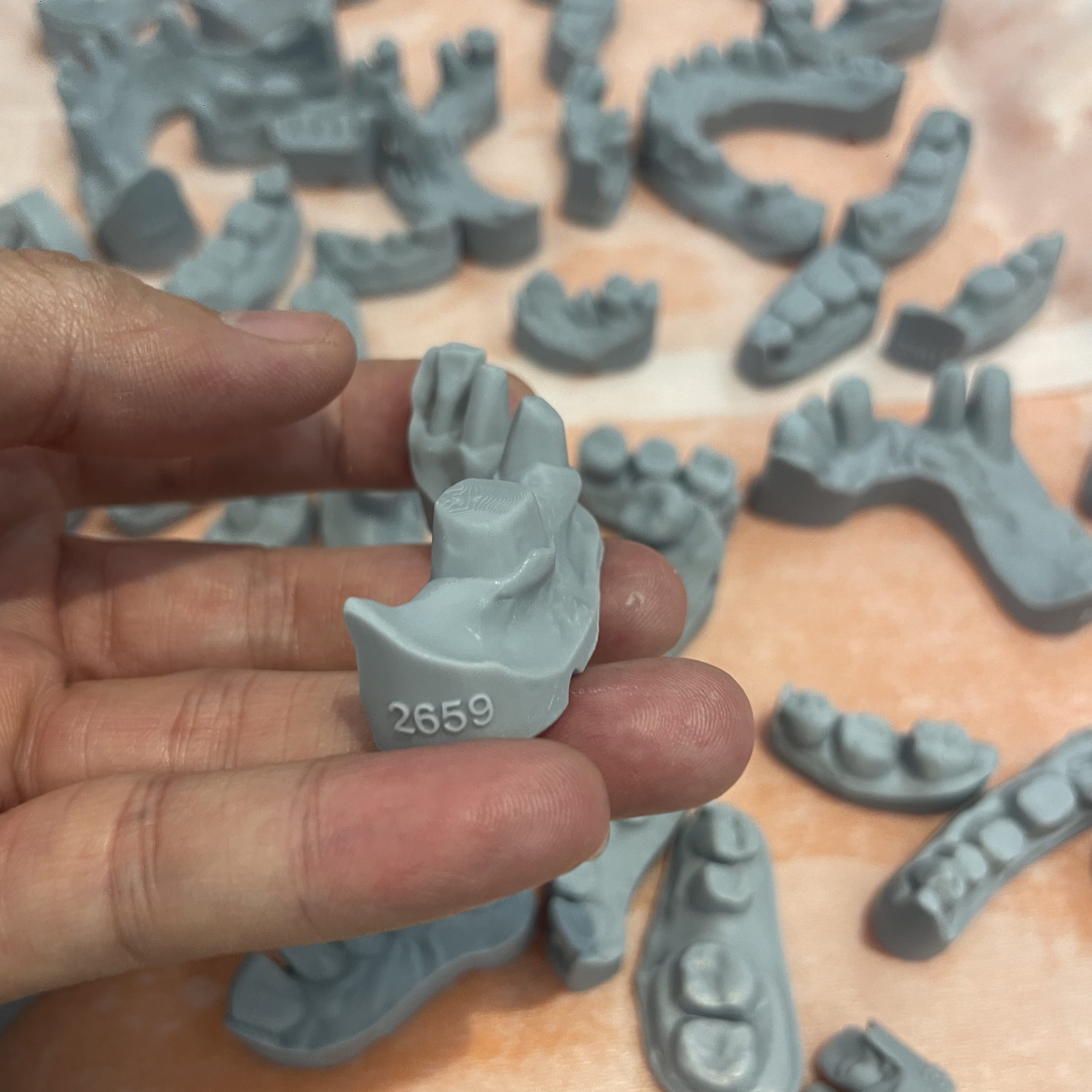
The dental industry is undergoing a digital revolution, and 3D printing is at the forefront of this transformation. Whether you’re running a dental lab, managing a clinic, or working in a dental hospital, choosing the right 3D printer can dramatically improve your workflow, reduce costs, and enhance patient outcomes.
But with dozens of options on the market, how do you make the right choice?
In this comprehensive guide, we’ll walk you through everything you need to know about selecting a dental 3D printer in 2026 — from understanding key specifications to matching the right machine to your specific needs.
Why Dental 3D Printing Matters
Before diving into the selection criteria, let’s understand why 3D printing has become essential in modern dentistry:
🏆 Key Benefits
- Speed: Produce dental models in hours instead of days
- Accuracy: Achieve precision down to 30-50 microns
- Cost Reduction: Lower material costs and labor time
- Versatility: Print models, surgical guides, temporary crowns, and more
- Patient Satisfaction: Faster turnaround means happier patients
📊 Market Trends
- 70% of dental labs now use 3D printing (up from 45% in 2022)
- Average ROI: 6-12 months for most dental practices
- Material Innovation: Biocompatible resins with CE/FDA certification
Key Specifications to Consider
When evaluating dental 3D printers, focus on these critical specifications:
1. Build Volume (Print Size)
| Application | Minimum Build Volume | Recommended |
|---|---|---|
| Single crowns | 80 × 80 × 100 mm | 90 × 81 × 122 mm |
| Dental models | 120 × 80 × 100 mm | 143 × 118 × 176 mm |
| Full arch + multiple units | 150 × 150 × 150 mm | 302 × 162 × 176 mm |
Pro Tip: Consider your typical case volume. A small clinic might only need to print 1-2 models at a time, while a dental lab may need to print 10+ simultaneously.
2. Resolution & Accuracy
| Specification | Entry Level | Professional | Industrial |
|---|---|---|---|
| XY Resolution | 50-60 μm | 30-35 μm | 30 μm |
| Layer Thickness | 0.01-0.15 mm | 0.025-0.1 mm | 0.01-0.15 mm |
| Accuracy | ±50 μm | ±35 μm | ±30 μm |
What This Means:
- 50-60 μm: Suitable for diagnostic models, temporary restorations
- 30-35 μm: Ideal for surgical guides, precise fittings
- 30 μm: Best for all applications including final restorations
3. Print Speed
Modern dental 3D printers offer:
- Standard: 2-4 seconds per layer
- Fast: 1-2 seconds per layer
- Ultra-Fast: Complete temporary crown in 13 minutes
Real-World Example: Printing 5 C-shaped dental models:
- Standard printer: 45-60 minutes
- Fast printer (A6S): 20 minutes
4. Connectivity & Ease of Use
Look for these features:
- ✅ WiFi connectivity for wireless file transfer
- ✅ Touch screen interface (4.3″ to 10″)
- ✅ Multi-language support
- ✅ Compatible slicing software (ChiTuBox, Lychee, etc.)
5. Certification & Safety
Must-Have Certifications:
- CE Mark: Required for European market
- FDA 510(k): Required for US market
- RoHS Compliance: Environmental safety
- ISO 13485: Medical device quality management
Matching Printer to Your Needs
🏥 For Dental Clinics
Priority: Speed, ease of use, compact size
Recommended Specs:
- Build Volume: 90 × 81 × 122 mm (sufficient for most chairside work)
- Resolution: 50-60 μm
- Print Speed: Fast (1-6 seconds/layer)
- Special Feature: Automatic heating & stirring
Typical Applications:
- Temporary crowns (13 minutes)
- Surgical guides
- Diagnostic models
- Patient education models
🔬 For Dental Laboratories
Priority: Accuracy, build volume, versatility
Recommended Specs:
- Build Volume: 143 × 118 × 176 mm or larger
- Resolution: 30-35 μm
- Print Speed: 1-8 seconds/layer
- Special Feature: Multi-application support
Typical Applications:
- Full arch models
- Multiple units simultaneously
- Surgical guides
- Castable patterns
- Temporary bridges
🏭 For Dental Processing Factories
Priority: Throughput, automation, reliability
Recommended Specs:
- Build Volume: 302 × 162 × 176 mm (industrial scale)
- Resolution: 30 μm
- Print Speed: 1-8 seconds/layer
- Special Features:
- Automatic material feeding
- Automatic material extraction
- Temperature-controlled material tank
- Large capacity
Typical Applications:
- Mass production
- Full denture bases
- Multiple cases per print
- Continuous operation
Total Cost of Ownership
Don’t just look at the printer price — consider the complete picture:
Initial Investment
| Item | Cost Range |
|---|---|
| 3D Printer | $2,000 – $15,000 |
| Post-Processing (Washer + Curer) | $500 – $2,000 |
| Initial Resin Supply | $500 – $1,000 |
| Training & Setup | $0 – $500 |
Ongoing Costs
| Item | Cost per Unit | Notes |
|---|---|---|
| Resin Material | $5 – $20 per model | Depends on size |
| LCD Screen Replacement | $200 – $500 | Every 2000-4000 hours |
| Resin Tank | $50 – $150 | Every 500-1000 hours |
| Release Film | $10 – $30 | Every 50-100 prints |
ROI Calculation Example
Scenario: Dental lab printing 20 models/day
| Metric | Traditional | 3D Printing | Savings |
|---|---|---|---|
| Time per model | 45 minutes | 15 minutes | 30 minutes |
| Labor cost | $15 | $5 | $10 |
| Material cost | $8 | $3 | $5 |
| Total per model | $23 | $8 | $15 |
| Daily savings (20 models) | – | – | $300 |
| Monthly savings (22 days) | – | – | $6,600 |
Payback Period: 2-4 months for most labs
Common Mistakes to Avoid
❌ Mistake #1: Choosing Based on Price Alone
Reality: A cheaper printer may cost more in the long run due to:
- Lower accuracy (failed prints)
- Slower speed (lost productivity)
- Poor reliability (downtime)
❌ Mistake #2: Ignoring Post-Processing
Reality: 3D printing is only 50% of the workflow. You need:
- Ultrasonic cleaner for washing
- Curing box for post-curing
- Proper ventilation
❌ Mistake #3: Overlooking Material Compatibility
Reality: Not all resins work with all printers. Ensure:
- Resin is compatible with your printer’s wavelength (usually 405nm)
- Material has proper biocompatibility certification
- Supplier provides technical support
❌ Mistake #4: Skipping Training
Reality: Proper training reduces failed prints by 80%. Invest in:
- Initial setup training
- Software training (slicing)
- Maintenance training
Checklist: Before You Buy
Use this checklist to evaluate potential printers:
Technical Requirements
- Build volume meets your needs
- Resolution suitable for your applications
- Print speed acceptable for your workflow
- Compatible with your existing software
Certification & Compliance
- CE certified (for Europe)
- FDA registered (for USA)
- RoHS compliant
- Biocompatible materials available
Support & Service
- Warranty coverage (minimum 1 year)
- Technical support availability
- Spare parts availability
- Training provided
Total Cost
- Printer price within budget
- Post-processing equipment budgeted
- Material costs calculated
- ROI timeline acceptable
Quick Comparison: Popular Dental 3D Printers
| Model | Build Volume | Resolution | Speed | Best For | Price Range |
|---|---|---|---|---|---|
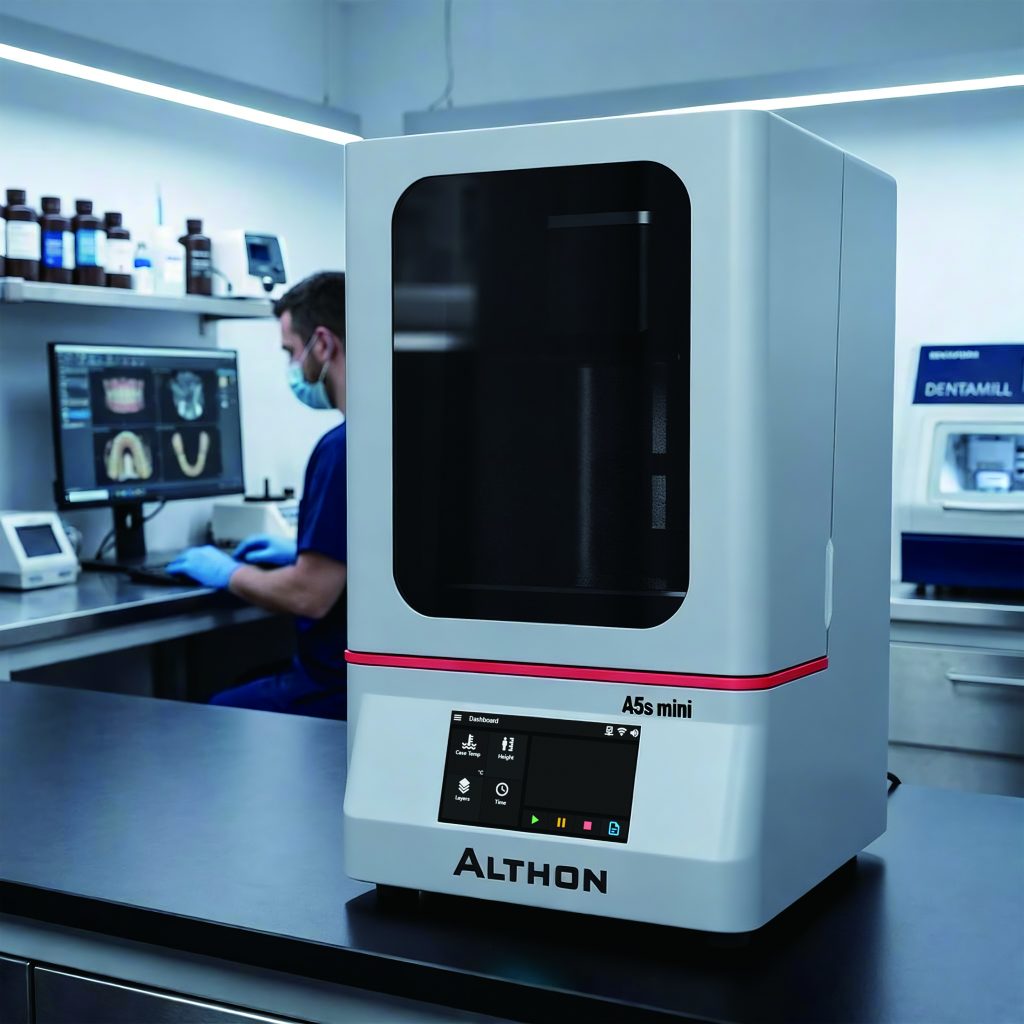
| A5 mini | 90×81×122mm | 56μm | 1-6s/layer | Clinics, beginners | Entry |
| A6S 4K | 142×89×100mm | 35μm | 1-8s/layer | Orthodontics, labs | Mid |
| A10M | 143×118×176mm | 30μm | 1-8s/layer | All-purpose, labs | Mid-High |
| 5C | 302×162×176mm | 30μm | 1-8s/layer | Factories, mass production | Industrial |
Next Steps
Ready to make a decision? Here’s what to do next:
- Assess Your Needs: List your top 3 applications
- Set Your Budget: Include printer + post-processing + materials
- Request Samples: Ask suppliers for printed samples
- Check References: Talk to existing users
- Start Small: Consider entry-level if you’re new to 3D printing
📞 Need Help Choosing?
Our team at ALTHON3D specializes in dental 3D printing solutions. We offer:
- ✅ Free consultation
- ✅ Sample prints (send us your file)
- ✅ Complete workflow setup
- ✅ Training and support
Contact us: [Your contact information]
FAQ
Q: How long does it take to learn 3D printing?
A: Most users can produce their first successful print within 2-3 days. Full proficiency typically takes 2-4 weeks.
Q: Can I print surgical guides with any dental 3D printer?
A: No. Surgical guides require biocompatible, sterilizable resin and high accuracy (30-35 μm). Ensure your printer and resin are certified for this application.
Q: What’s the lifespan of a dental 3D printer?
A: With proper maintenance, expect 3-5 years of reliable use. Key consumables (LCD screen, resin tank) need periodic replacement.
Q: Do I need special ventilation?
A: Yes. Resin printing produces odors. Use in a well-ventilated area or with an air filtration system.
Conclusion
Choosing the right dental 3D printer is a significant decision, but it doesn’t have to be overwhelming. By focusing on your specific needs, understanding key specifications, and considering total cost of ownership, you can make an informed choice that will serve your practice for years to come.
Remember: the best printer isn’t always the most expensive one — it’s the one that fits your workflow, budget, and growth plans.
Ready to start your 3D printing journey? [Contact ALTHON3D today] for a personalized consultation.
Related Articles:
- Dental 3D Printing: Complete Beginner’s Guide
- 5 Benefits of 3D Printed Dental Models
- Post-Processing Dental 3D Prints: Complete Guide
Tags: #Dental3DPrinting #BuyersGuide #DentalLab #3DPrinter #DigitalDentistry
This article was last updated on [Date]. For the latest information, contact ALTHON3D.